By Josh Hill
Last updated: September 2026
SEO title: Fake Cigarettes: 9-Point Canada Checklist
URL slug: fake-cigarettes-canada
Meta description: Learn how to spot fake cigarettes in Canada in 2026. Check excise stamps, plain packaging, warnings and product quality before you buy. Use this checklist today.
Fake cigarettes in Canada can often be identified by checking the federal excise stamp, provincial markings, standardized packaging and the physical condition of the product. No single visual clue proves authenticity in every case, but several warning signs together should make an adult buyer stop before completing the purchase.
This checklist applies whether you are buying native smokes or other cigarettes online, from a retail counter or through an informal seller.
Table of Contents
- What should I check first when buying cigarettes in Canada?
- How can I check the Canadian excise stamp?
- What should authentic cigarette packaging look like?
- How can I inspect the cigarettes inside the pack?
- Does a low price mean the cigarettes are fake?
- What should online buyers check before ordering?
- What should I do if I suspect fake cigarettes?
What should I check first when buying cigarettes in Canada?
Start with the pack itself, not just the product name or advertised price. Check the excise stamp, provincial information, standardized packaging, warning labels, quantity and overall print quality before considering the product.
Use this ranked checklist:
- Federal excise stamp
- Provincial or territorial marking
- Plain and standardized packaging
- Health warnings and required information
- Pack quantity and format
- Wrap, foil and construction quality
- Seller, payment method and price
The same method works in Toronto, Vancouver, Montreal, Calgary, Edmonton, Ottawa, Winnipeg, Hamilton and Halifax. However, provincial markings and retail requirements can differ, so a pack intended for one province may not look identical to a pack intended for another.
How can I check the Canadian excise stamp?
A cigarette pack sold to consumers in Canada should generally display a federal tobacco excise stamp. The stamp should show “DUTY PAID CANADA DROIT ACQUITTÉ,” identify the product as cigarettes, state the quantity and indicate the province or territory where the product is intended to be sold.
The Canada Revenue Agency consumer excise stamp guide explains that the stamp indicates federal excise duty has been paid.
Look closely for:
- A stamp that is integrated into the package seal
- Clear bilingual wording
- The cigarette quantity, commonly 20 or 25
- A province or territory identifier
- Fine, consistent printing
- No obvious peeling, photocopying or blurry edges
A missing stamp is a serious warning sign. A stamp that appears to be a loose sticker, has mismatched colours or looks digitally printed should also be treated cautiously.
What do EDN29 and EDN61 mean?
EDN29 and EDN61 are CRA excise duty notices connected with the tobacco stamping system, not consumer tools for decoding a cigarette pack. EDN29 covers the stamp-order process for authorized participants, while EDN61 discusses a stamp supply contract and related transition information.
In practical terms, consumers should not assume that seeing a code beginning with letters such as EDN29 or EDN61 proves a pack is genuine. The complete stamp, wording, placement, quality and intended province matter more than attempting to interpret an individual code.
What should authentic cigarette packaging look like?
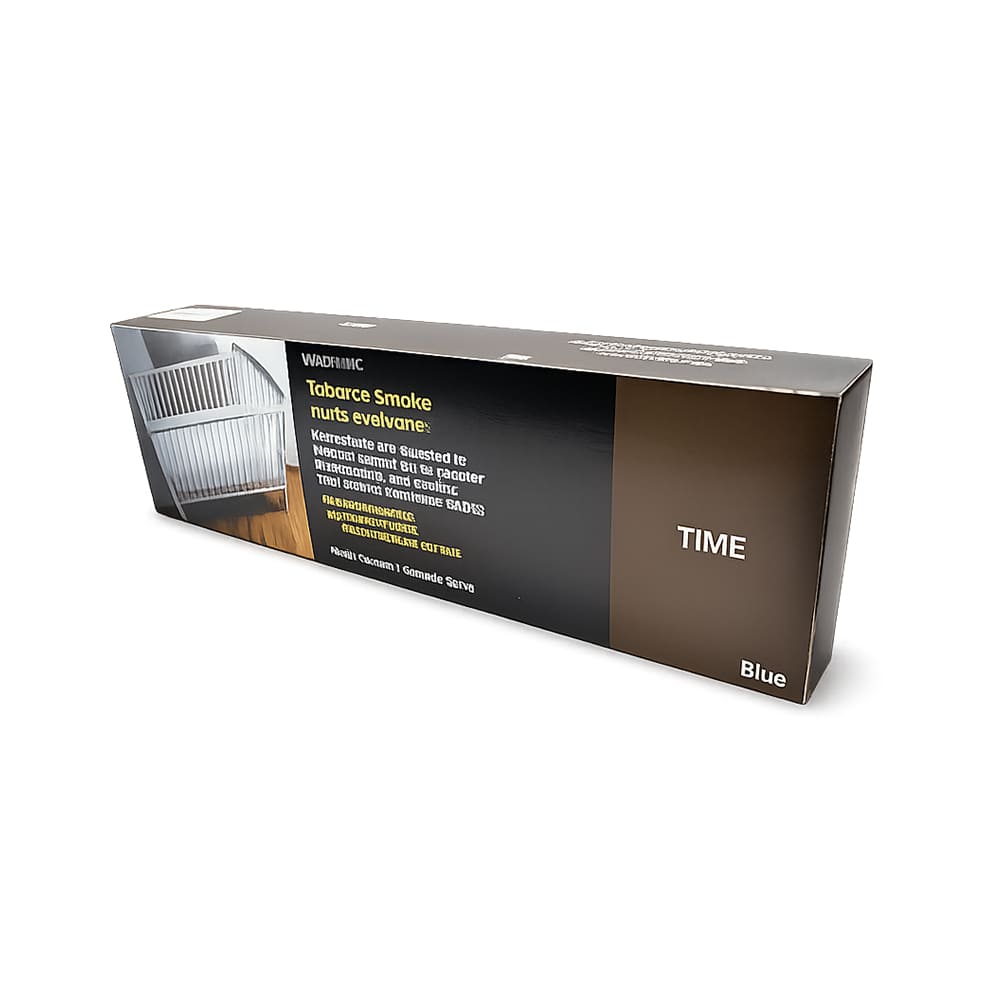
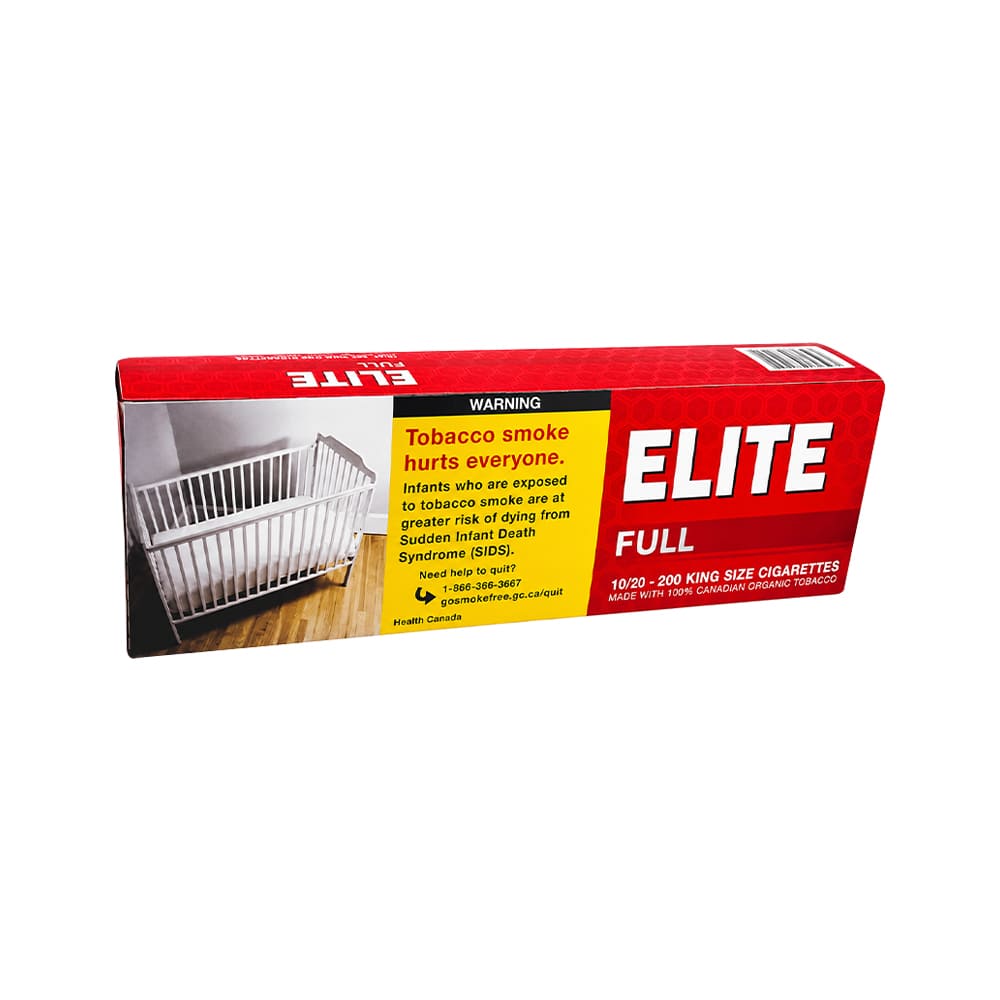
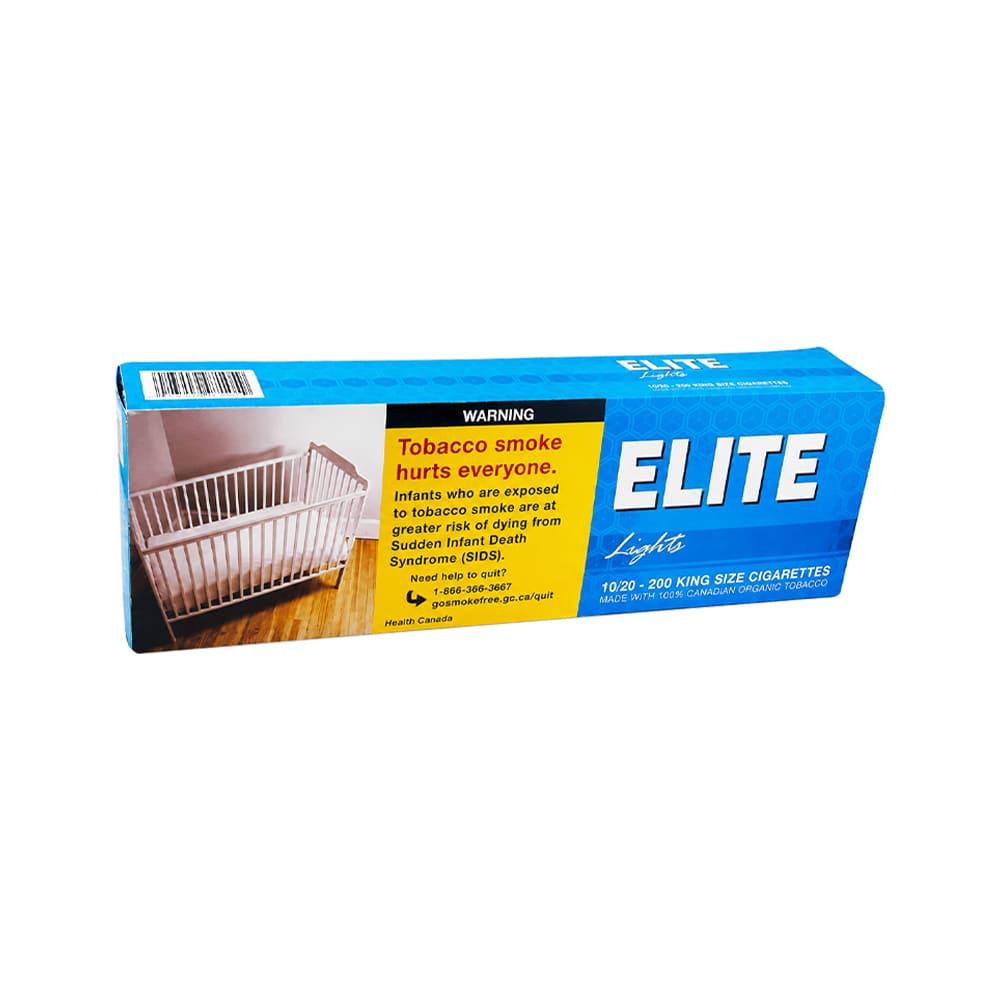
Legal Canadian cigarette packaging follows plain and standardized appearance requirements, so unusually colourful, glossy or heavily branded packs deserve extra scrutiny. Health Canada states that standardized packaging uses controlled colours, fonts, formats and layouts, with required warnings and information.
The Health Canada plain and standardized packaging facts page provides the official background.

In 2026, warning materials are also transitioning. Health warning sets rotate every 24 months, with a new series scheduled to begin on August 1, 2026. Retailers have until October 31, 2026, for certain extended slide-flap requirements, so packaging may change during the year.
That transition means an older-looking warning layout is not automatically proof of a fake. Still, watch for combinations of problems such as:
- Bright marketing colours that do not fit standardized Canadian packaging
- Missing or badly printed graphic warnings
- Spelling mistakes or awkward translations
- Incorrect placement of brand or variant names
- A flip-top format where a standardized slide-and-shell format is expected
- Glossy logos, metallic effects or promotional artwork
- A package that looks imported but is presented as ordinary Canadian retail stock
A legitimate product photograph is useful for identifying the product family, but it is not a substitute for inspecting the physical pack you receive. Product photos can be updated, packaging can change and online images may not show the stamp clearly.
How can I inspect the cigarettes inside the pack?
Physical construction can support your assessment, but it should not be used alone to declare a product fake. Compare several cigarettes from the same pack and look for consistent manufacturing.
Check the following:
- Cigarette paper seams should be straight and clean
- Filters should be firmly attached and consistently shaped
- Tobacco should be evenly distributed
- Paper should not be unusually thin, damp or heavily stained
- The foil should open cleanly rather than tear into ragged strips
- Loose tobacco should not pour out from multiple cigarettes
- Filters should not collapse with minimal handling
- The pack should close neatly and maintain its shape
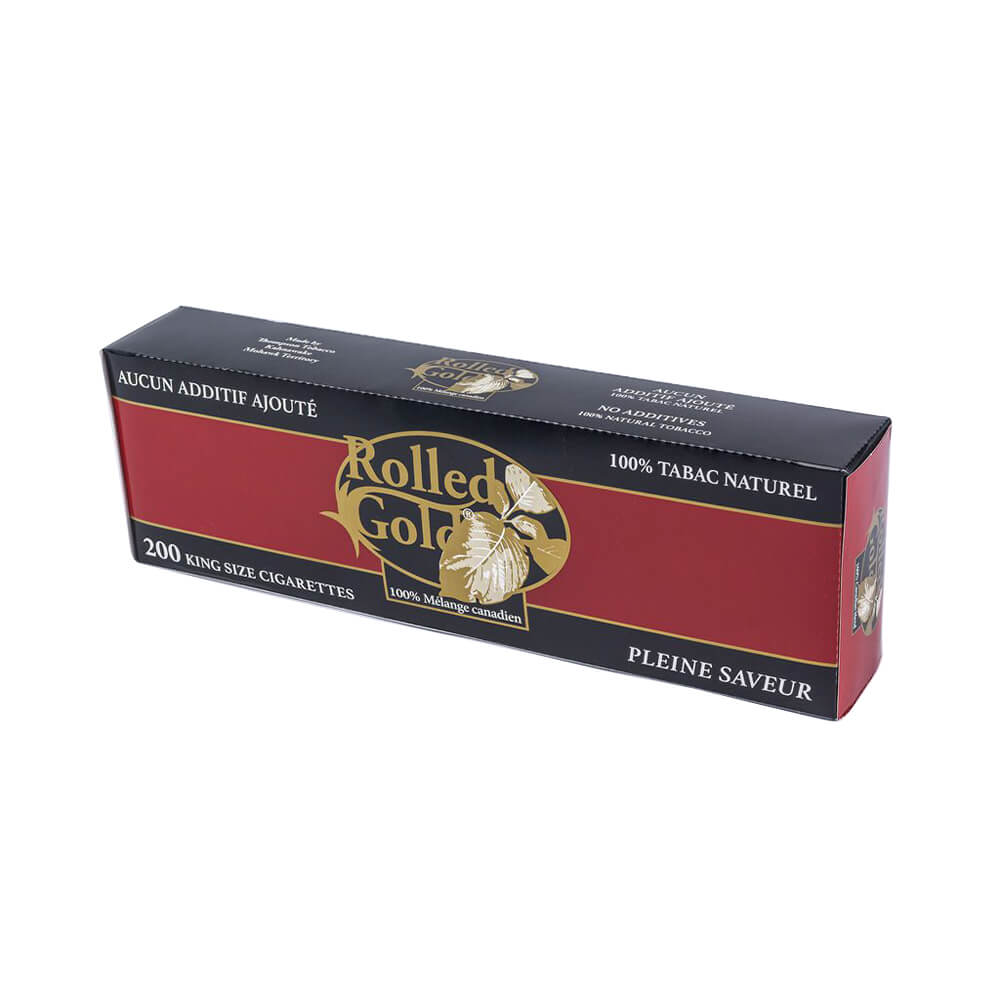
The outer wrap is also informative. Loose cellophane, rough seams, excess adhesive, lifting corners or a lid that does not align may indicate poor packaging quality. One minor defect can happen during handling, but several defects combined with a questionable stamp are more concerning.
Do not open or handle a product unnecessarily if you already believe it may be counterfeit or contraband. Take clear photos of the pack, stamp, seller listing and order details instead.
Authentic vs fake pack signals: what is the difference?
The following table is a practical comparison, not a laboratory authentication test. A pack with multiple red flags should not be purchased or used.
| Checkpoint | More consistent with an authentic Canadian pack | Warning signs associated with fake or questionable packaging |
|---|---|---|
| Excise stamp | Clearly integrated into the seal with bilingual wording and required details | Missing, blurry, peeling, duplicated or printed like a basic sticker |
| Province or territory | Marking appears consistent with the intended Canadian market | Missing, inconsistent or apparently intended for another market |
| Pack colour | Controlled, standardized appearance | Glossy branding, bright colours or decorative marketing |
| Brand text | Sharp, centred and consistently printed | Pixelated, misspelled, uneven or off-centre text |
| Warning information | Clear graphic warnings and prescribed information | Missing, outdated-looking, cropped or poorly reproduced warnings |
| Quantity | Product count is clearly identified, commonly 20 or 25 per pack | Unclear count, loose singles or unexplained quantity |
| Cellophane | Tight, clean and neatly sealed | Wrinkled, loose, cloudy or poorly joined wrap |
| Inner foil | Cleanly manufactured and opens in a predictable way | Very thin foil, messy folds or excessive tearing |
| Cigarette construction | Consistent paper, filter and tobacco fill | Crooked seams, collapsing filters or inconsistent fill |
| Seller information | Clear product details, checkout and support process | Pressure to pay privately, vague listings or no order record |
Does a low price mean the cigarettes are fake?
A low price alone does not prove that cigarettes are fake. Price can reflect product format, brand positioning, quantity, bulk purchasing and distribution economics.
As a 2026 reference point, current store listings reviewed for adult customers include some individual packs around $5.99 to $6.99, selected standard cartons around $37 to $47, and some bags containing approximately 200 cigarettes around $21 to $30. These are store examples, not a national average or proof of authenticity.
The Native Cigarettes Price Canada guide explains why pack count, carton format, shipping and order quantity matter when comparing prices.
Be more cautious when a seller offers a familiar major brand at a price that is dramatically below every comparable listing, especially when combined with:
- Cash-only or personal-account payment requests
- No formal checkout
- Pressure to buy immediately
- No clear product quantity
- No return or support information
- A seller who refuses to show the package or stamp
What should online buyers check before ordering?
Online shoppers should verify the seller and then inspect the physical product when it arrives. A store checklist and a product-authentication checklist are related but not identical.
For seller vetting, review our online smoke shop legitimacy checklist. Before ordering, confirm:
- The product name and variation
- Pack, carton or bag quantity
- Current price and stock status
- Shipping terms and final order total
- Age-verification process
- Customer support contact details
- Order confirmation and payment instructions
If you already know the product you want, you can compare available full-flavour cigarettes or light cigarettes by their listed format and quantity.
For larger orders, review every selected item in a mix-and-match cigarette order before checkout. A clear product page does not eliminate the need to inspect the package after delivery.
What should I do if I suspect fake cigarettes?
Do not buy, use or distribute a product that fails several checks. Keep the package separate, photograph the front, back, sides, seal, stamp and cigarettes, and save the listing, payment record and seller messages.
You can contact the seller first if the issue concerns an apparent packing or shipping error. If the product appears to be counterfeit or unstamped, consider contacting the relevant provincial tax authority or local law-enforcement agency for guidance.
The Public Safety Canada archived report on the contraband tobacco market provides broader background on contraband tobacco in Canada. It is an archived reference, not a 2026 product-authentication ruling.
Remember that no online checklist can provide absolute laboratory confirmation. The most reliable approach is to combine the stamp check, packaging review, physical inspection, price comparison and seller verification before purchasing.
Frequently Asked Questions
How do I spot fake cigarettes in Canada?
Check for a proper federal excise stamp, appropriate provincial information, standardized Canadian packaging, clear warnings, correct quantity and consistent physical construction. Several defects together are more meaningful than one minor packaging flaw.
Are fake cigarettes always sold in colourful packs?
No. Some questionable products may resemble standardized packaging. Colour, print quality, stamp placement, quantity and seller behaviour should all be considered together.
Can a real cigarette pack have an older warning design in 2026?
Possibly. Health warning materials are transitioning during 2026, with a new series beginning August 1 and some retailer requirements extending into October. An older design is not automatically fake, but missing or poorly reproduced required information remains a concern.
Do EDN29 or EDN61 codes prove that cigarettes are genuine?
No. EDN29 and EDN61 are CRA notices about the tobacco stamping system and stamp supply matters. Consumers should assess the complete excise stamp and packaging rather than relying on an individual code.
What should I do with a pack that has no excise stamp?
Do not buy or use it. Photograph the product and seller information, retain your order records and seek guidance from the seller or the appropriate Canadian authority.